The katana is one of the most iconic weapons in the world. It carries an almost mythical status in movies, anime, games, and popular culture. But that popularity also means there are countless misconceptions, exaggerations, and outright false claims surrounding it.
In this article, we break down ten of the most common katana myths and explain what’s actually true.
The goal is to give you an honest, nuanced, and reality-based understanding of what a katana is, what it can do, and what it can’t do. At the same time, it highlights why modern, handcrafted katanas, like the ones we make at Ghost Blades, combine traditional craftsmanship with modern materials and techniques.
Myth 1: “A katana can cut through anything”
This is probably the most widespread myth. In movies we see katanas slicing through metal, concrete, cars…anything. In reality, a katana is extremely sharp, but it is not a magical laser sword.
A katana can cut through organic materials, bamboo, tatami, rope, and other soft to medium-density targets. But if you strike steel, cement, or other hard metals, you risk damaging the edge or even cracking the blade.
It’s a weapon, not a superpower.
Myth 2: “The harder the steel, the better the katana”
Higher hardness does not automatically mean higher quality. Steel that is too hard becomes brittle and can chip or crack. What truly matters is the balance between hardness and flexibility.
This is why T10 steel combined with proper clay tempering is so effective: a hard cutting edge with a flexible spine.
A katana should be both sharp and durable, not just extremely hard.
Myth 3: “All hamon lines are real”
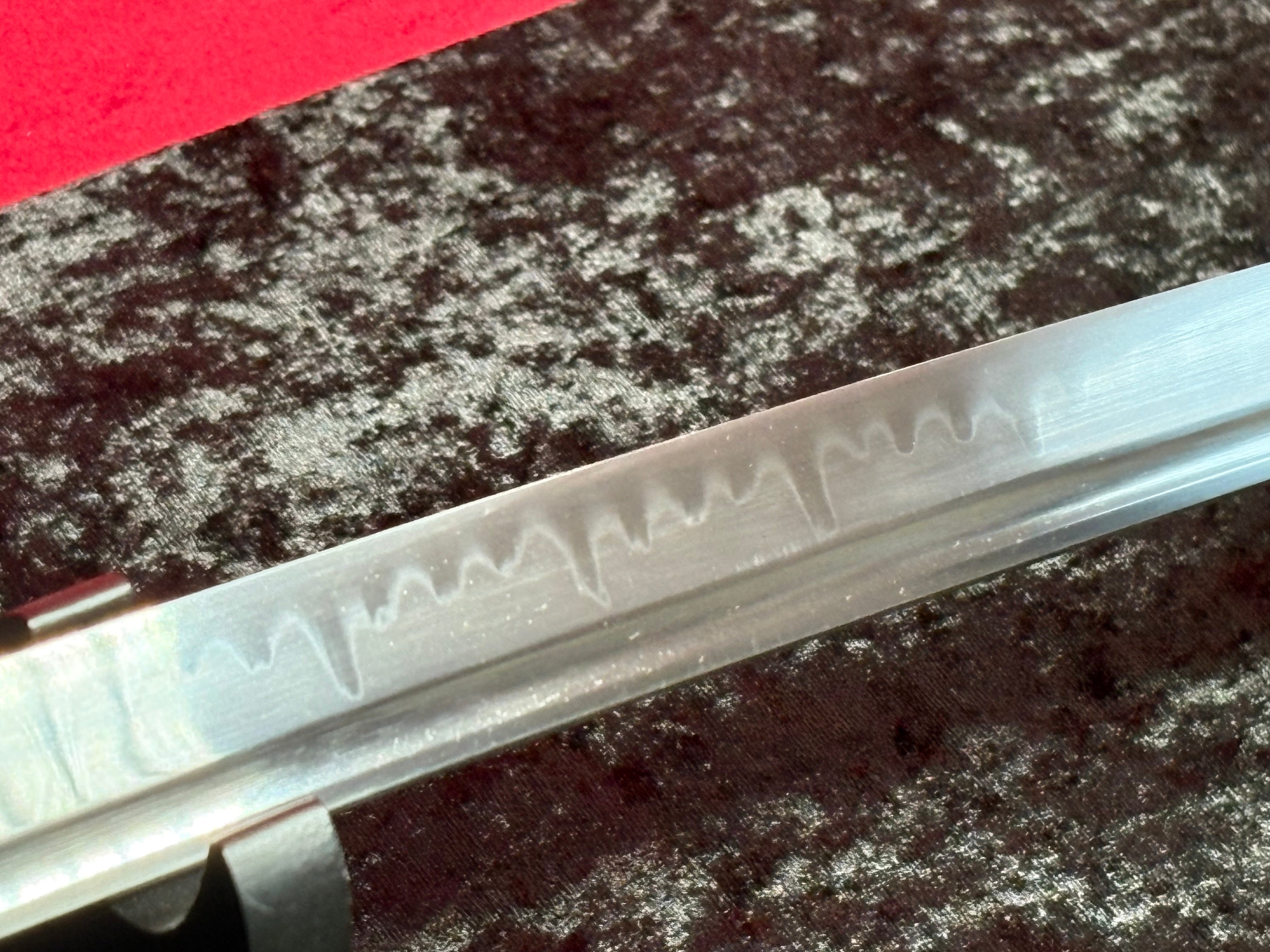
Unfortunately, most hamon lines on cheap katanas are fake, either laser-etched or polished on.
A real hamon is created through clay tempering, where the edge and spine are heated and cooled at different rates. It’s a technical process that makes the sword both functional and beautiful.
At Ghost Blades, we always use real hamon, never fake patterns.
Myth 4: “Damascus steel is always better”
Many people assume that patterned Damascus steel is automatically premium. But modern Damascus is often purely aesthetic, and sometimes even inferior to simple high-carbon steel.
Historical Damascus steel was legendary, but that technique has been lost. Today, it’s mostly about looks, not performance.
T10 with real hamon almost always outperforms modern “budget Damascus.”
Myth 5: “Katanas are fragile and break easily”
This myth is half true. Cheap katanas are fragile. But well-made high-carbon steel katanas are extremely durable. A hand-forged T10 blade can withstand both bending and powerful strikes, as long as it is used correctly.
They don’t snap from “a little pressure,” like some YouTube videos suggest.
Myth 6: “A katana is always better than Western swords”
Different swords are designed for different purposes.
A katana is optimized for drawing cuts and fast, precise slicing. A Viking sword is built for heavy chops. A longsword is designed for both cutting and thrusting.
No sword is “the best at everything.”
A sword is only the best within its intended context.
Myth 7: “Katanas are always forged by Japanese master smiths”
The finest swords in the world are still made in Japan, but exporting real nihonto in large quantities is prohibited. Most consumer-grade katanas today come from China, and there are smiths there who work at an incredibly high level, often surpassing many modern Japanese workshops.
Craftsmanship depends on the smith, not the country.
Myth 8: “A katana must be folded steel to be good”
Folding was used historically to purify the steel. Modern steel is already clean and uniform. Folding today is mostly cosmetic, it creates a beautiful pattern, but it doesn’t make the steel better.
A modern T10 blade with clay tempering is stronger and performs better than a folded blade that is only visually appealing.
Myth 9: “The longer the katana, the stronger it is”
Many people believe longer swords are more powerful or impressive. In reality, the length should be tailored to the user.
A blade that is too long becomes sluggish and unbalanced. A blade that is too short loses reach and leverage.
The optimal length is about control, not size.
Myth 10: “All katanas are the same”
This is one of the biggest misconceptions. Two katanas may look identical to the eye but be completely different in quality.
The differences lie in:
• steel quality
• heat treatment
• polishing
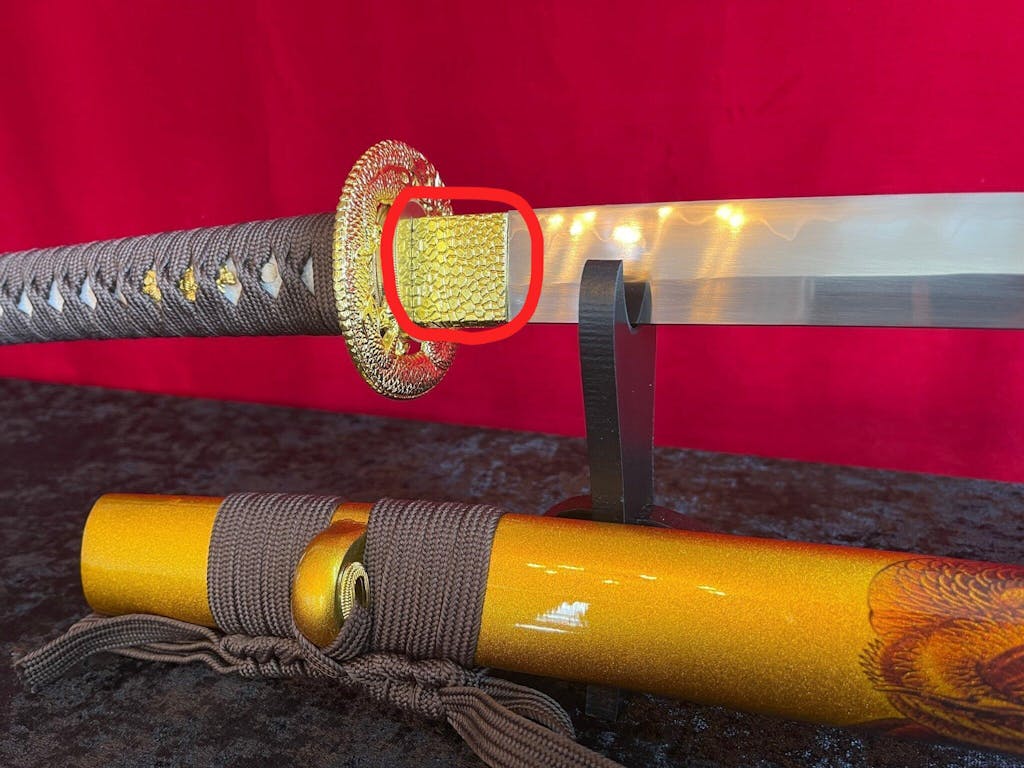
• fittings
• balance
• craftsmanship
• construction
Two swords that look the same can differ as much as a €1,500 car and a €150,000 car. That’s why serious collectors always buy from reputable makers, not from “Amazon brands.”
Conclusion
The katana is one of the most misunderstood weapons in the world. Movies and the internet have created a vision of the sword as either superhuman or extremely fragile, but the truth lies somewhere in between.
A good katana is built on balance, technique, craftsmanship, and high-quality steel. It is sharp, durable, and beautiful, but not magical. And above all: true quality lies in the craftsmanship, not the myths.
At Ghost Blades, we work exclusively with T10 steel, real hamon, and fully handcrafted production.
We combine traditional techniques with modern materials to create swords that both perform and impress.